
Is Diet Soda Really Bad for You?
TL;DR: No
“I was going to switch from regular soda to diet soda but I heard diet soda causes cancer.”
Fact check: Screw you. I’m tired of the diet-Coke slander.
If you’re on a fat-loss journey, switching from regular soda to diet soda (or zero-sugar soda) is one of the easiest and most impactful changes you can make. If you make a health choice to stick with regular soda, you’re making the wrong choice. Period.
Consider this: Let’s say you drink six cans of Coke a day.
Now compare:
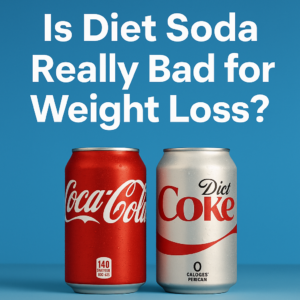
Regular Coke:
-
840 calories
-
234g of sugar
Diet Coke:
-
0 calories
-
0g of sugar
It’s not even close.
This is the lowest-hanging fruit in all of fat loss. Still not convinced?
For the same 840 calories, you could eat:
-
12 eggs
-
8 cups of grapes
-
2 McDonald’s cheeseburgers and a small fry
-
3 chicken breasts
-
5.5 bowls of Cheerios
And people still hesitate to switch because of fearmongering?
Come on.
Don’t be dumb. Switch to diet. You’ll lose weight, you’ll adjust to the taste, and I promise you’ll thank yourself later.
But will diet soda make it harder to lose weight? Does aspartame, the sweeter in diet drinks, actually cause cancer? Let’s look at actual studies, not some random influencer.
1. “But I like the taste of regular soda”
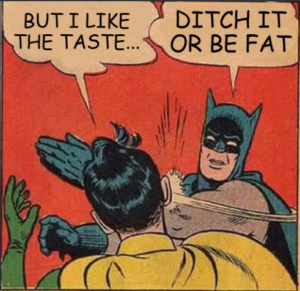
It takes 3 weeks on average to change your taste preferences from regular soda to diet soda. Let me rephrase that: most people prefer diet or zero calorie soda within three weeks of switching. It’s a taste and preferences thing, that’s all.
If you’re serious about weight-loss, you should almost never drink your calories. The only exceptions are protein drinks/shakes or hydration drinks accompanying training. There is literally no good reason to drink non-diet soda.
Consider the following to stop you from drinking regular soda:
- Every 12-oz can delivers 140-150 calories of pure sugar—about nine teaspoons.
• Large cohort studies link daily intake to higher risk of obesity, type 2 diabetes, heart disease, and early death. (source: PMC).
• Randomized trials confirm the mechanism: sugar-sweetened beverages spike energy intake and insulin without making you feel full.
If you drink regular soda, you’re begging to gain weight. It needs to be cut out.
Bottom line: If fat-loss or health matters to you, regular soda is non-negotiable—ditch it.
2. Diet Soda in Weight Loss: A Tool, Not a Toxin
I will recommend to anyone to switch to diet soda to help you lose weight, and I do it without fear of adverse health impacts. Let’s take a look at the three studies below:
| Study Design | Swap Tested | Result |
| 12-week RCT, 303 adults (CHOICE trial) | ≥2 diet sodas/day vs ≥2 waters/day | Diet-soda group lost -6 kg; water group -4 kg and regained more weight at one-year follow-up. (source: PMC) |
| Meta-analysis, 17 RCTs (JAMA Network Open 2021) | Diet drinks replacing sugar soda | Modest but significant weight-loss (-0.8 kg) and small waist reduction; benefits “similar in direction” to water. (source: PubMed) |
| 12-mo RCT in obese adults (Nature 2023) | Diet soda vs. water vs. sugar soda | Diet and water beat sugar soda on weight and fasting glucose; diet ≈ water for metabolic markers. (Source: Nature) |
Some Analysis:
Note something: in the first study, diet soda OUT PERFORMED water as a weight-loss tool. People lost more weight with it than with water.
On a personal level, when I lost 100 lbs in 1 year, diet soda helped me feed my sweet tooth without adding calories. When I have a good-tasting meal, water just doesn’t add anything for me. I love that carbonated deliciousness.
So: get that sweet liquid without adding calories.
I will add: when doing intense cardio, I prefer water or hydration drinks. During the day without a meal, I still prefer water. But that’s a preference, not a rule.
What that means:
- Diet soda isn’t magic—but it reliably beats sugar soda for weight-loss and doesn’t sabotage results if you prefer fizz and flavor over plain water.
3. “But, Diet Soda Causes Cancer, Right?”
Actually, there is no clear link between diet soda and cancer. The fear usually points to aspartame or caramel coloring—in doses far beyond any human drinker will see.
- Acceptable daily intake (ADI) for aspartame is 50 mg/kg (FDA). A 180-lb person would need about 17 cans a day to hit that. And no, I don’t recommend drinking 17 cans a day.
- A single glass of tomato juice delivers 6× more methanol (the scary aspartame breakdown product) than a can of diet soda. Eggs, milk, cheese, and even fruit have higher phenylalanine and aspartic acid loads. (Source: MennoHenselmans.com)
- Large safety reviews find no conclusive link between normal diet-soda intake and cancer. (Source: Healthline)
Let me repeat: it takes 17 cans of diet soda a day to reach the minimum level of aspartame becoming unhealthy. Healthy foods carry much of the same “scary” products as diet soda but never get the same coverage. And study after study has failed to find a link between diet soda and cancer.
4. Conclusions & Practical Takeaways
Enough with the diet-soda fearmongering. I am worried many people stick with regular soda because they’ve been trained that diet soda is so bad for them it’s not worth the switch. They’re wrong.
Now, let’s be clear: I don’t recommend ONLY drinking diet soda. You’ll be better hydrated if you drink water or hydration drinks (like LiquidIV, BodyArmor, Prime, etc.).
But don’t be afraid of it. If you’re trying to lose weight, the easiest and most impactful swap you can make is drinking diet/zero-sugar soda instead of regular soda. And it’s not something to be afraid of.
- Trying to lose fat?
- Replace every sugar soda with diet.
- Expect taste buds to adapt in about 3 weeks. Meaning: you will prefer the diet version after a few weeks of consumption.
- Worried about chemicals?
- Normal consumption is far below safety limits.
- You already ingest larger doses of the same compounds in everyday foods.
Sources
- Peters JC et al. Obesity 2014 (CHOICE trial). PMC
- Vargas-Galvez MC et al. JAMA Netw Open 2021;4:e2135474. PubMed
- Menno Henselmans, “Is Aspartame Safe?” 2017. MennoHenselmans.com
- Healthline, “Aspartame Side Effects,” 2023 review. Healthline
- Umbrella review of artificially sweetened beverages and health outcomes, 2023. PMC
- Joanne A. Harrold, “a 52-week weight management programme: a randomised controlled trial”, 2023. Nature